Site-wide search twentytwentytwo

产品顶部区块
产品顶部区块

Product

  • Mechanically Lined Steel Pipe(MLP)

    1042

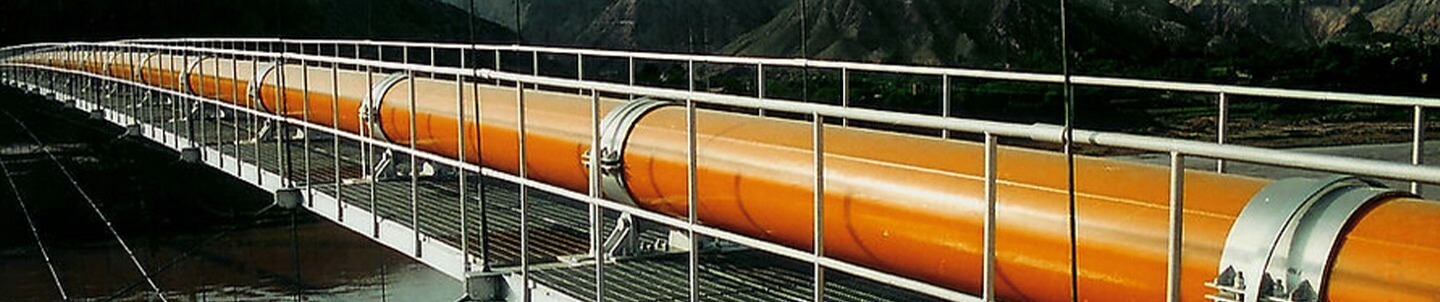
    Adopting advanced mechanical spinning composite technology, the mechanical composite steel pipe closely bonds two complementary metal materials (usually carbon steel as the base pipe, and stainless steel, duplex steel, nickel-based alloy, titanium alloy, or Monel alloy as the inner liner) through elastic and plastic deformation. It requires no high-temperature fusion, featuring full-process green environmental protection and high energy efficiency. Strictly complying with international and industry standards such as API-5LD, DNV-ST-F101, SHELL DEP 31.40.20.32-Gen., ADNOC-AGES, GB/T31940, and CJ/T 192, the product combines the high strength and high pressure-bearing capacity of the outer base pipe with the corrosion resistance and wear resistance of the inner cladding, effectively solving the industry pain points of "insufficient strength" or "poor corrosion resistance" of single-material pipes.

    View Full Version
  • Clad Steel Pipe

    1036

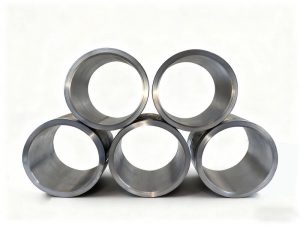
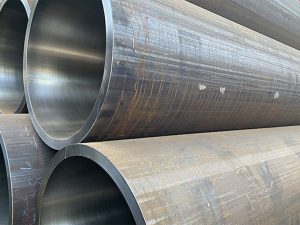
    The inner clad composite steel pipe is a bimetallic composite pipe with high-strength carbon steel or low-alloy line pipe steel as the base material, and a uniform layer of stainless steel, duplex steel, or nickel-based corrosion-resistant alloy cladding on the inner wall. It features corrosion resistance on the inner wall and pressure bearing on the outer wall. Through the metallurgical bonding process, the base and cladding achieve atomic-level firm bonding, with no gaps, no delamination, corrosion resistance and high pressure resistance. It is a new generation of high-end anti-corrosion and pressure-resistant pipeline products replacing pure alloy steel pipes, and surfacing pipe fittings.

    View Full Version
  • Weld Overlay Clad Steel Pipe

    1046

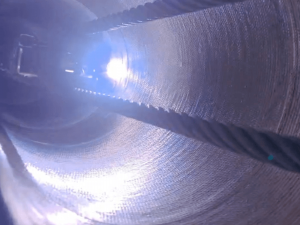
    The weld overlay clad steel pipe adopts advanced automatic weld overlay technology to clad a layer of high-wear-resistant, corrosion-resistant and high-temperature-resistant alloy materials (such as nickel-based alloy 825, 625, duplex stainless steel, etc.) on the inner wall of the base pipe. By accurately controlling the cladding thickness and dilution rate, it achieves perfect integration of the base pipe and the surfacing layer, significantly improving the service life and safety performance of the pipe under extreme working conditions. The product is accurately adapted to designated high-end industries and widely used in heavy industrial fields such as oil and gas (offshore oil and gas platforms, downhole oil and gas transmission pipelines), chemical industry (supporting pipelines for high-end chemical reactors, transportation of corrosive media), marine engineering (seawater desalination, offshore platform pipe networks), and electric power (nuclear power plant cooling systems, high-temperature and high-pressure pipelines in power plants). It is the core solution to replace traditional lined pipes and integral alloy pipes.

    View Full Version
  • Mechanically Lined Pipe Fittings

    1035

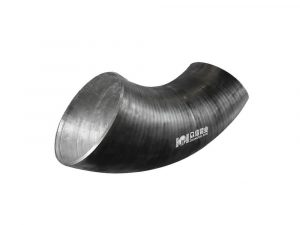
    Mechanically lined pipe fittings are core supporting products of composite pipeline systems, specially customized for inner lined composite steel pipes. They adopt corrosion-resistant materials such as stainless steel consistent with the inner lining material of the pipeline. Through precise processing and composite technology, they realize seamless connection between pipe fittings and pipelines, ensuring the corrosion resistance, tightness and integrity of the entire transportation system, and eliminating hidden dangers such as medium leakage and corrosion caused by mismatched materials and loose connection between pipe fittings and pipelines. Complete Product Specifications: Covering all categories such as elbows, tees, reducers, and flanges, with a caliber range of NPS 1/2" to NPS 60"; conventional specifications are in stock, and special specifications can be customized on demand. The bonding force is as high as 0.2-16MPa, higher than the industry standard, and almost zero maintenance during service. It has high strength, extrusion resistance and resonance resistance, effectively reducing the leakage risk caused by external impact, and at the same time balancing safety and hygiene, energy conservation and environmental protection, with excellent thermal insulation performance. It can be widely adapted to designated industries: urban water supply/heating/gas (pipe network supporting pipe fittings), oil and gas (oil and gas transmission pipeline supporting), chemical industry (chemical pipeline connection), electric power (power plant pipeline supporting), medicine and food and beverage (hygienic pipeline connection) and other fields with strict requirements on pipeline systems, ensuring the stable and efficient operation of the transportation system.

    View Full Version
  • Metallurgically Composite Pipe Fittings

    1035

    Metallurgical composite pipe fittings (also known as bimetallic metallurgical composite pipe fittings) are high-end pipeline accessories integrally formed by combining high-strength carbon steel/alloy steel base layer with high-performance corrosion-resistant alloy cladding through metallurgical bonding process (atomic-level molecular fusion). They integrate structural strength, corrosion resistance and economy, and are the core solution for high-temperature, high-pressure and strong corrosion working conditions.

    View Full Version
  • Weld Overlay Flanges

    1044

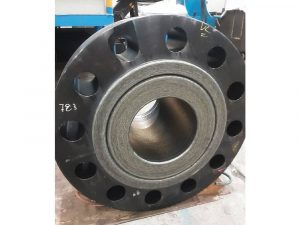
    The weld overlay flanges adopts advanced automatic weld overlay technology, with low-cost carbon steel or low-alloy steel as the base, and a layer of corrosion-resistant alloy (such as nickel-based alloy 825, 625, 316L stainless steel, etc.) surfaced on the flange sealing surface and key contact parts. It combines the high strength of the base and the excellent corrosion resistance of the surfacing layer, replacing traditional pure alloy flanges, greatly reducing material costs, and meeting the harsh requirements of high-end working conditions.

    View Full Version
  • Bi-Metal Composite Steel Pipe Solution For Oil & Gas

    1052

    Corrosion poses a persistent and critical challenge in oil and gas production and transportation. Harmful media such as CO₂, H₂S, seawater, and chlorides in crude oil and natural gas continuously degrade pipeline integrity, weaken structural strength, and threaten operational safety. Jiangsu Zhongxin Pipe Sci-Tech Co., Ltd. (Zonpipe) delivers high-performance CRA solutions to safeguard your pipeline infrastructure, minimize costly repairs, reduce downtime, and prevent economic losses.

    View Full Version
  • Mechanical & Metallurgical Composite Pipes - Corrosion Solutions for the Chemical Industry

    1043

    In petrochemical refineries, chemical plants, fine chemical facilities and storage & transportation systems, process media such as hydrogen sulfide (H₂S), carbon dioxide (CO₂), chloride ions, acid-base media, sulfides and high-temperature oil and gas will cause severe corrosion, erosion and material failure to the pipeline system. Traditional carbon steel pipelines are prone to leakage, short service life and frequent maintenance, which seriously affect production safety, equipment continuity and economic benefits.

    View Full Version
  • Bimetal Composite Pipe: Corrosion Solution for Offshore Engineering Pipelines

    1042

    Offshore engineering operations, including deep-sea oil and gas development, subsea pipeline transportation, and offshore platform piping systems, operate under extreme corrosive conditions. Pipes are continuously exposed to multiple corrosive agents—high-salinity seawater, concentrated chloride ions, dissolved oxygen, carbon dioxide (CO₂), hydrogen sulfide (H₂S), and marine microorganisms—compounded by deep-sea high pressure, temperature fluctuations, and wave impacts. These harsh environments often lead to premature pipeline corrosion failure, threatening the safe and stable operation of offshore projects, shortening service life, and even triggering catastrophic safety incidents and substantial economic losses.

    View Full Version
  • Bimetallic Composite Pipes - Power Industry Pipeline Corrosion Solutions

    1039

    In thermal power, nuclear power, new energy (offshore wind, photovoltaic energy storage) and UHV power facilities, pipeline systems face severe corrosion. Acidic slurry (SO₂, NOₓ) in FGD systems, high-temperature/high-pressure steam and seawater/freshwater corrosion in nuclear islands, salt spray in offshore wind, and corrosive media in UHV converter stations cause pitting, stress corrosion cracking and rust in traditional pipelines. Single-material pipelines (carbon steel, pure alloy) either lack corrosion resistance, have short service life and frequent maintenance, or are costly, endangering operation safety and increasing costs.

    View Full Version
Expand More