 Zhongxin Tube

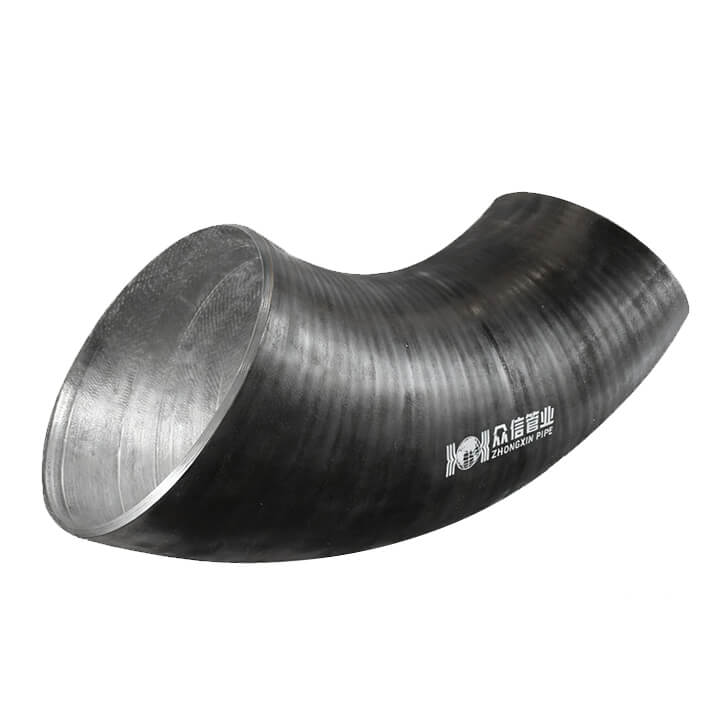
Metallurgically Composite Pipe Fittings
Metallurgical composite pipe fittings (also known as bimetallic metallurgical composite pipe fittings) are high-end pipeline accessories integrally formed by combining high-strength carbon steel/alloy steel base layer with high-performance corrosion-resistant alloy cladding through metallurgical bonding process (atomic-level molecular fusion). They integrate structural strength, corrosion resistance and economy, and are the core solution for high-temperature, high-pressure and strong corrosion working conditions.
Base Layer (Outer Layer): Adopts carbon steel (such as 20#, Q245R, A516), low-alloy steel, line pipe steel (L360, L480), etc., providing mechanical strength, pressure-bearing capacity, structural rigidity, and bearing external forces and pressure loads of the pipeline system.
Cladding Layer: Selects stainless steel (304, 316L, 2205 duplex steel), nickel-based alloy (Incoloy 825, Inconel 625), titanium alloy, etc., providing resistance to H₂S/CO₂/Cl⁻ corrosion, high-temperature resistance, stress corrosion cracking resistance and wear resistance.
Recommended Products
RecommendationsMechanical Composite Pipes: Pipeline Solutions for Municipal Water Supply, Heating and Gas Industries
Municipal water supply, heating and gas pipelines are the "lifeline" of urban infrastructure, directly affecting residents' quality of life and urban operation. For years, traditional pipelines in municipal networks have been plagued by corrosion, leakage, high maintenance costs and short service life—issues that severely compromise network safety and stability. Mechanical composite pipes, with mature composite technology and outstanding overall performance, precisely address these municipal pain points, delivering efficient, durable and cost-effective full-scenario solutions for municipal water supply, heating and gas pipelines. Balancing practicality and economy, they ensure the long-term, reliable operation of urban infrastructure.
Bimetallic Composite Pipes - Power Industry Pipeline Corrosion Solutions
In thermal power, nuclear power, new energy (offshore wind, photovoltaic energy storage) and UHV power facilities, pipeline systems face severe corrosion. Acidic slurry (SO₂, NOₓ) in FGD systems, high-temperature/high-pressure steam and seawater/freshwater corrosion in nuclear islands, salt spray in offshore wind, and corrosive media in UHV converter stations cause pitting, stress corrosion cracking and rust in traditional pipelines. Single-material pipelines (carbon steel, pure alloy) either lack corrosion resistance, have short service life and frequent maintenance, or are costly, endangering operation safety and increasing costs.
Clad Steel Pipe
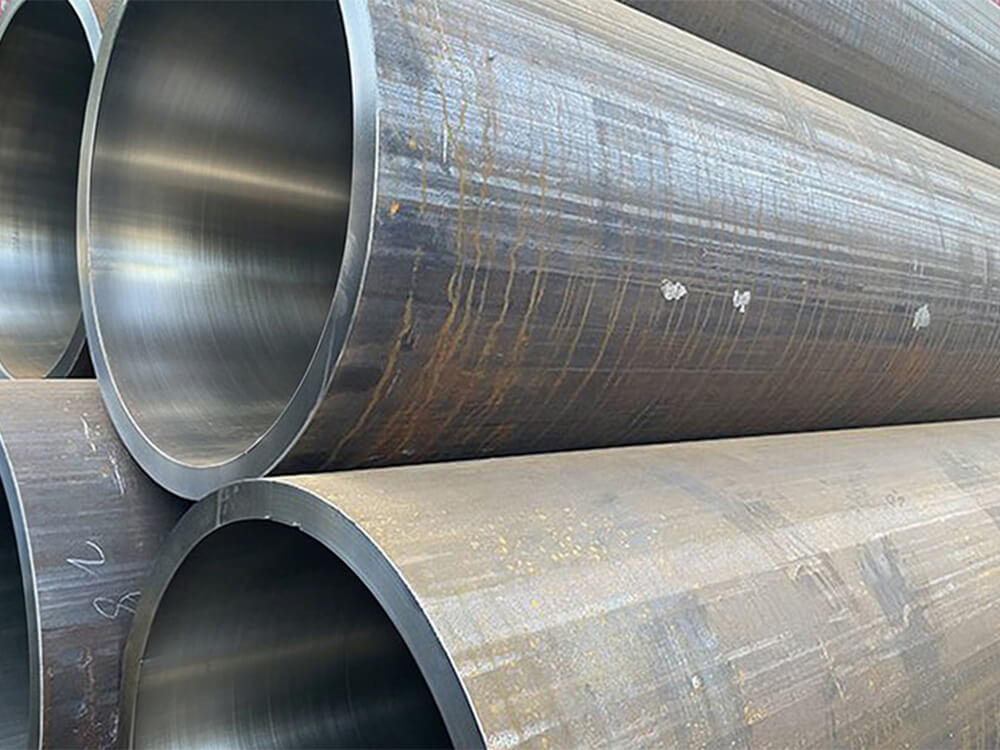
The inner clad composite steel pipe is a bimetallic composite pipe with high-strength carbon steel or low-alloy line pipe steel as the base material, and a uniform layer of stainless steel, duplex steel, or nickel-based corrosion-resistant alloy cladding on the inner wall. It features corrosion resistance on the inner wall and pressure bearing on the outer wall. Through the metallurgical bonding process, the base and cladding achieve atomic-level firm bonding, with no gaps, no delamination, corrosion resistance and high pressure resistance. It is a new generation of high-end anti-corrosion and pressure-resistant pipeline products replacing pure alloy steel pipes, and surfacing pipe fittings.
Mechanically Lined Pipe Fittings
Mechanically lined pipe fittings are core supporting products of composite pipeline systems, specially customized for inner lined composite steel pipes. They adopt corrosion-resistant materials such as stainless steel consistent with the inner lining material of the pipeline. Through precise processing and composite technology, they realize seamless connection between pipe fittings and pipelines, ensuring the corrosion resistance, tightness and integrity of the entire transportation system, and eliminating hidden dangers such as medium leakage and corrosion caused by mismatched materials and loose connection between pipe fittings and pipelines. Complete Product Specifications: Covering all categories such as elbows, tees, reducers, and flanges, with a caliber range of NPS 1/2" to NPS 60"; conventional specifications are in stock, and special specifications can be customized on demand. The bonding force is as high as 0.2-16MPa, higher than the industry standard, and almost zero maintenance during service. It has high strength, extrusion resistance and resonance resistance, effectively reducing the leakage risk caused by external impact, and at the same time balancing safety and hygiene, energy conservation and environmental protection, with excellent thermal insulation performance. It can be widely adapted to designated industries: urban water supply/heating/gas (pipe network supporting pipe fittings), oil and gas (oil and gas transmission pipeline supporting), chemical industry (chemical pipeline connection), electric power (power plant pipeline supporting), medicine and food and beverage (hygienic pipeline connection) and other fields with strict requirements on pipeline systems, ensuring the stable and efficient operation of the transportation system.

-1.jpg)
loading...
It's already to the last piece of content!